
A Box of Thank You Notes vs. Actionable Survey Data Analysis. The Impact That Data Has on a Valuation.
Introduction
In the funeral and cemetery profession, handwritten thank you notes from families are heartfelt and meaningful. They reflect the compassion and care provided during a family’s most difficult moments. However, while these notes are treasured, they do not provide measurable insights into customer satisfaction or business performance. Most families choose a funeral home because of a prior service experience – either one they had or someone they trust had. So, improving service experiences can grow a funeral home business. And the best way to improve customer experience (CX) is to measure it. In today’s competitive landscape, documented CX data—through surveys, follow-ups, and trend analysis—is not just a luxury but a necessity for sustainable growth and enterprise value.
The Limits of Anecdotal Feedback
A box of thank you notes is a testament to the emotional impact of your service. Yet, these notes are anecdotal and subjective. They cannot be systematically analyzed, benchmarked, or used to identify trends and areas for improvement. One example is the potential to miss out on families who were not satisfied and chose not to voice their concerns. These “silent detractors” may remain unrepresented in the feedback, leading to an incomplete understanding of overall satisfaction. Essentially, relying solely on anecdotal feedback can create a false sense of security, masking underlying issues that may affect family satisfaction, reputation, and ultimately, business value.
The Power of Documented CX Insights
Documented CX data, such as structured surveys and follow-up interviews, provides actionable intelligence. These insights allow funeral homes and cemeteries to:
- Identify service gaps and implement targeted improvements.
- Track trends over time, enabling proactive adjustments.
- Benchmark performance against industry standards and competitors.
- Drive employee training and recognize high performers.
Trends and Insights: What the Data Shows
Johnson Consulting Group’s Trends & Insights Report for the funeral profession reveals several key findings:
- Cremation continues to gain ground: The U.S. cremation rate was projected to reach 63.4% in 2025, more than double the burial rate. By 2045, cremation could account for over 80% of dispositions. This is evidence that above and beyond customer service is necessary no matter the need of the family.
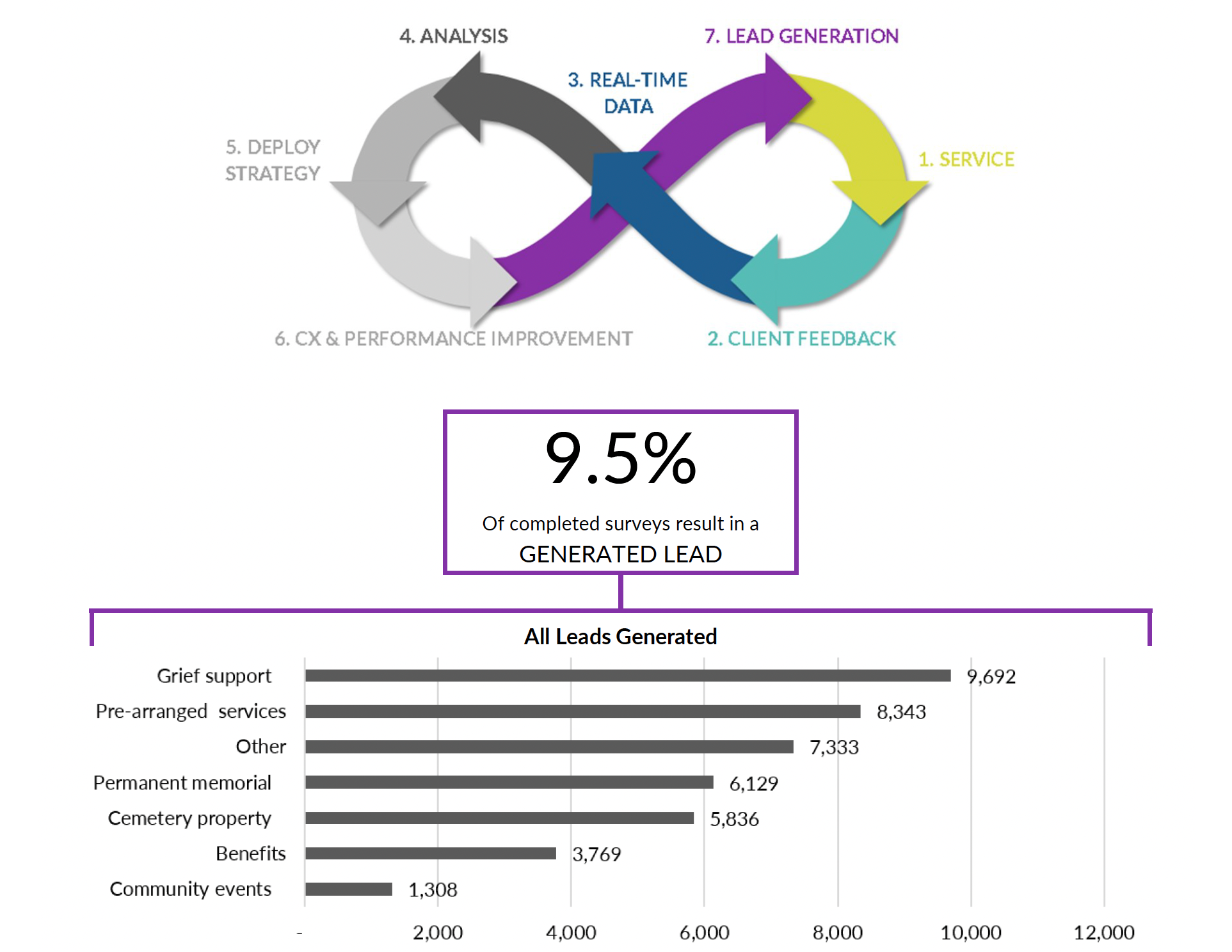
- Survey Response Rates: The average survey response rate is 36.7%, with nearly 1 in 10 surveys generating actionable leads for follow-up.
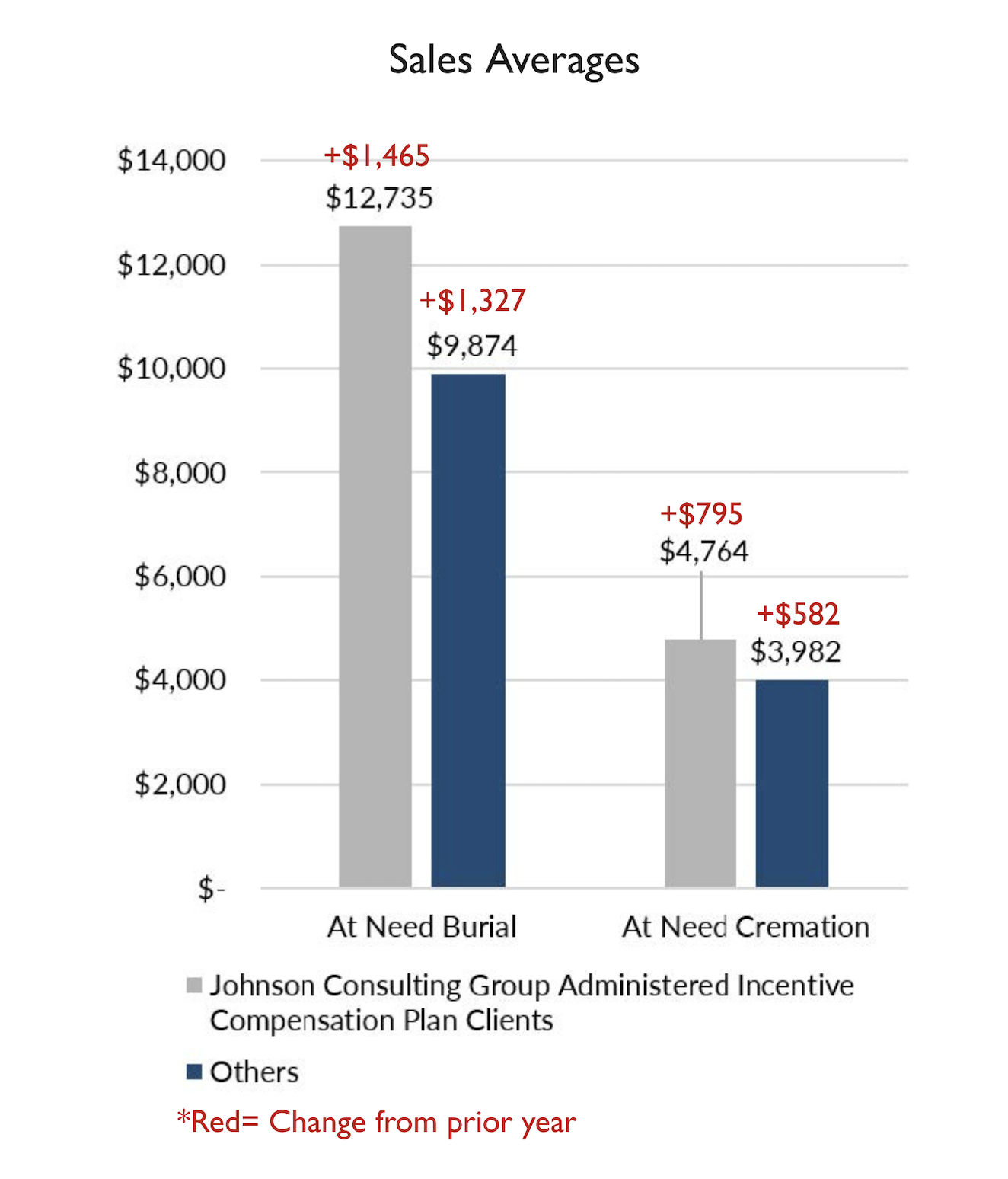
- Incentive Compensation Programs (ICPs): These programs increase both revenue and satisfaction, as confirmed by the Trends & Insights Report. An ICP with a customer satisfaction component is vital. A metrics-based survey program is needed for this.

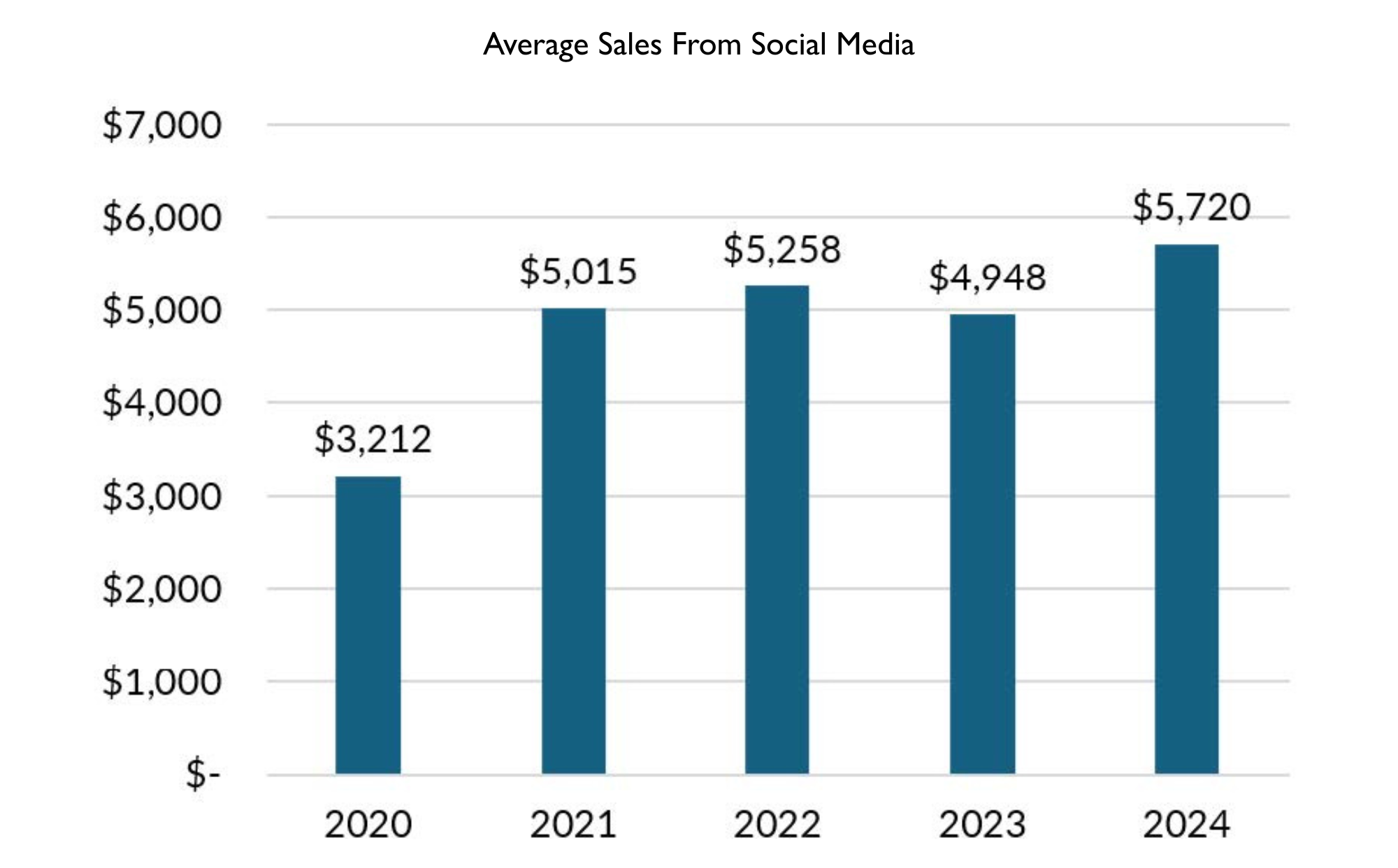
- Digital Engagement: Families who found funeral homes through social media or search engines showed higher average sales and satisfaction, emphasizing the importance of a strong online presence.

- Changing Consumer Preferences: Personalization, transparency, and digital convenience are increasingly important to families, requiring funeral homes to adapt their services accordingly. This is another reason why a survey program is vital. Funeral homes will continue to be successful if they listen to their client families’ needs, desires, and feedback. We don’t get that unless we ask for it.
The Impact of Business Coaching and Employee Training Workshops
Business coaching and leadership/management training programs are transformative for funeral homes seeking to elevate their CX and overall business performance. Here’s why:
- Leadership & Management Programs: These workshops provide foundational skills in leadership and team development, ultimately resulting in exceptional customer service and repeat business. Participants learn to lead staff meetings, conduct employee evaluations, as well as train and coach employees. Your team is your foundation, the bricks that form the bridge for your families to drive over. If they are not satisfied, communicating, and providing each other exceptional internal customer service then how will they give the best to your families. Leaders learn to build this culture at the workshops.
- Real-World Impact: Past participants report increased confidence, improved onboarding and management of team members, and more effective handling of challenges. Personality assessments and individual coaching help managers set goals and hold themselves and their teams accountable, directly benefiting the customer experience.
- Continuous Improvement: Ongoing coaching and training ensure that leaders and staff stay current with industry best practices, adapt to changing family expectations, and maintain high standards of service. This culture of learning and accountability translates into better service for families and stronger business outcomes. We can’t stress enough that Leadership is the single biggest factor in creating that environment.
The Impact of CX Data on Business Valuation
Potential buyers, investors, and partners applaud measurable proof of high customer satisfaction and loyalty. When it comes to business valuation, documented CX insights are as critical as financial statements. Here’s why:
- Demonstrates customer stability in the future.
- Creates transparency of a high performing company culture/workplace.
- Ensures retention of all cases by addressing service defects to retain customer and the revenue that follows.
- Demonstrates the success of the business on paper and online reviews.
Implementing a Culture of Measurement and Development
To unlock the full value of documented CX insights and maximize business value, funeral businesses should:
- Standardize survey processes to maximize response rates.
- Integrate feedback into operations and use it to guide training and service improvements.
- Participate in leadership/management workshops to bolster and encourage employee one-on-ones to create higher employee satisfaction.
- Consider incentive compensation plans that use customer satisfaction metrics to monitor employee success.
- Act on negative feedback with protocols for service recovery and follow-up.
- Leverage technology for automated data collection, reporting, and benchmarking.
Conclusion
In today’s funeral profession, documented CX insights are not an optional luxury—they are a strategic imperative. While thank you notes will always have a place in our hearts, actionable survey data and a commitment to leadership development are what drive continuous improvement, strengthen reputation, and maximize business value. By embracing a culture of measurement, coaching, and accountability, funeral homes and cemeteries can ensure they are not only meeting families’ needs today but building a legacy of excellence for generations to come. Passing down the recipe for exceptional customer service is not enough, it’s time to step into the future and document best practices ensuring positive reviews and business growth to come.
Contact us today!